Twitter’s Twentieth: It’s Complicated
Tomorrow (March 21, 2026) marks two decades since Jack Dorsey (Twitter cofounder) posted the very first tweet. I created my Twitter account in January 2008 while working for one of the first social media marketing agencies. Back then, Twitter was a delightful enigma — a first-of-its-kind media platform that each of us in the advertising industry was trying to figure out (ironically, now as “X,” maybe we still are).
Twitter Capitalized On “Now Moments”
Twitter’s 20-year impact came from a simple breakthrough: It turned everyday people into real‑time publishers with the ability to instantly share what they were seeing, thinking, and reacting to. That shift changed how news broke, how insights were surfaced, how live events were experienced, and how culture moved.
Early on, I was captivated by how Twitter created and closed an instant feedback loop. Twitter compressed the distance between events and public reaction in ways no previous media platform ever had at scale. For advertisers, the combination of Twitter’s “social listening” and real-time engagement created an entirely new kind of brand experience — one that allowed them to participate in tentpole events, not just sponsor them.
Fifteen years ago (2011): Twitter’s Chloe Sladden and Robin Sloan speak with Mike Proulx about how Twitter has revived live TV viewing and what it means for advertisers.
“With Great Power Comes Great Responsibility”
But the same Twitter dynamic that powered real-time insight also powers real-time harm. As Twitter became X, the platform amplified misinformation as efficiently as the truth — rewarding unfiltered and often hate‑filled hot takes that thrive behind the anonymity of a screen. It exposed both the promise and the danger of frictionless publishing. The platform’s steady stream of performative outrage has thrust it into the culture wars, exacerbated polarization, and made it riskier for brands.
Forrester’s Consumer Benchmark Survey, 2025 shows a declining trend in X usage and positive sentiment among US online adults — 22% of US online adults indicated using Twitter at least weekly in 2022, compared to 17% in 2025. Forrester’s Media And Marketing Survey, 2025 shows that, from 2023 to 2025, X has increasingly been seen as less entertaining, less fun, less informative, and more fake.
And that’s why this Twitter anniversary feels complicated.
A Birthday … Or A Celebration Of Life?
The Twitter that reshaped media and culture doesn’t really exist anymore. X has lost much of the identity, trust, and innovation that once set Twitter apart in the marketplace. Competitors have risen and brands have moved on. That’s not to say X isn’t important to its current user base — but that things are different now. So celebrating this 20-year milestone is really about recognizing Twitter’s impact on the world, not necessarily celebrating the current state of what usurped it.
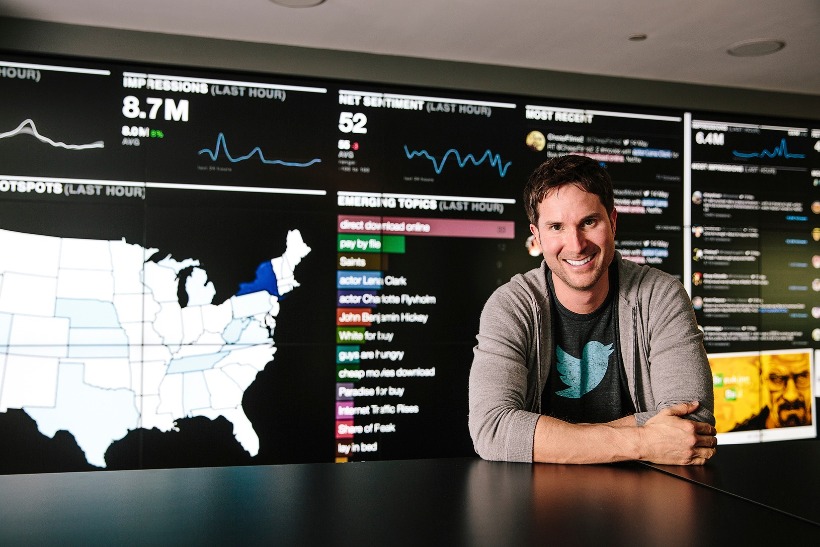
Eleven years ago (2015): Mike Proulx proudly dons his Twitter T-shirt at Hill Holliday, where he served as chief digital officer.
Forrester clients: Let’s chat more about this via a Forrester guidance session.
Categories