For A Compelling CX Business Case, Stop Refining The Model And Start Framing The Decision
Building a CX business case can feel like an endless cycle. You’ve spent weeks gathering data, you’ve debated assumptions, you’ve refined the model three times — then the business case comes back with a familiar request: “Can you do a little more analysis?”
At that moment, the problem usually isn’t the analysis at all. CX business cases don’t fail because the analytics are weak: They fail because they’re built for analysts instead of decision-makers.
Building A Business Case Isn’t Just An Analytical Exercise — It’s A Change Exercise
Most CX leaders start in the wrong place when building a business case: the model. That’s understandable. Quantifying CX impact is challenging. But you risk wasting months before you’ve determined whether you’re even working on the right model.
Our research found that successful business cases follow a different sequence: Frame the effort, build the model, and pitch the story. To help CX leaders execute each of those stages more effectively, we published Top 14 Tactics For A Compelling CX Business Case.
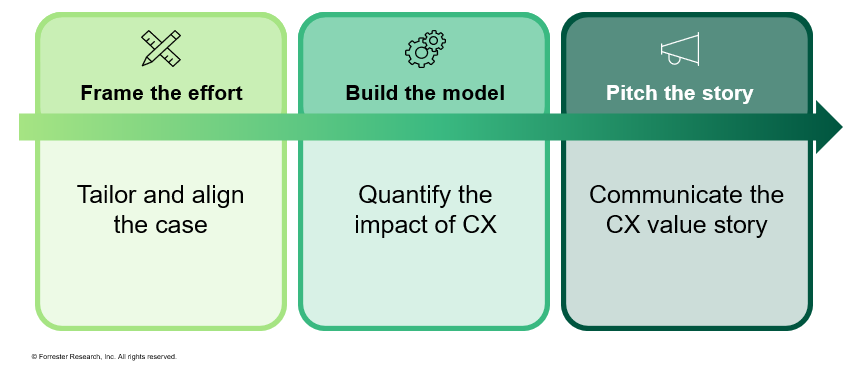
The order matters. Get it wrong, and you’ll spend time building evidence for a case nobody is ready to buy.
Frame The Effort: Tailor And Align Your Case
Before doing any analysis, decide what you’re trying to accomplish. Are you looking for funding for a specific initiative? Prioritizing competing investments? Building broader executive commitment to CX? Each situation requires a different kind of business case. For example, if you want to secure funding for a specific initiative or prioritize competing investments, we recommend a journey-level or project-level ROI model. If you want to strengthen commitment to CX more broadly, you should start with a benefit-focused case at the macro level.
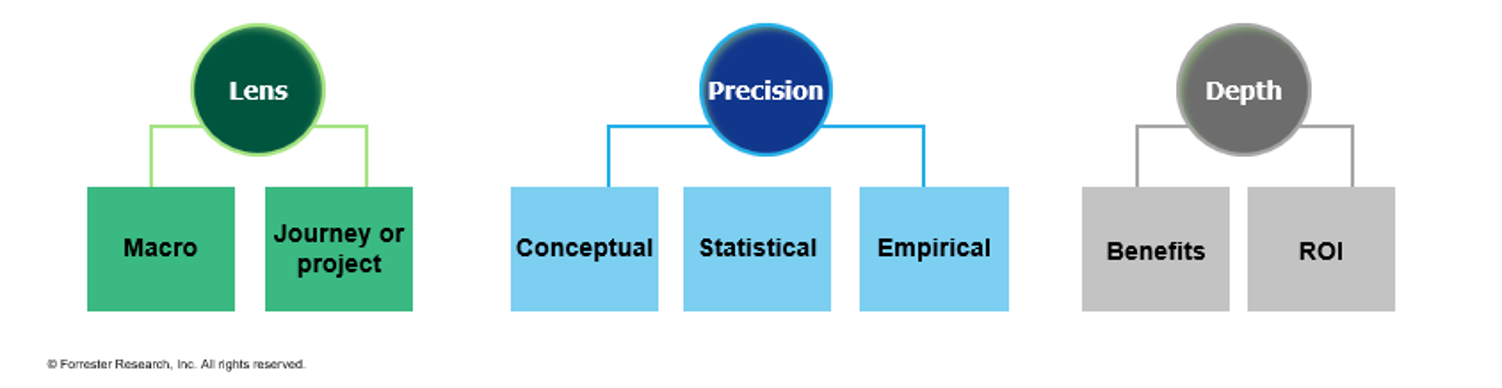
Now you can create a hypothesis for your business case by deciding on your business case anchor — i.e., which business metric or outcome metric you will focus on — and how you think CX drives it.
Build The Model: Quantify The Impact Of CX
Building the model is about validating the hypothesis or adjusting it along the way. That starts by gathering data and analyzing the links. But even here, the goal isn’t analytical perfection. The goal is building enough credible evidence to support the decision at hand. This often requires testing multiple metrics and examining their relationships more closely. Our research into how customer experience drives business growth found that CX and business outcomes don’t always move in simple straight lines. The relationship between CX and revenue can be exponential — where only top CX scores matter — or diminishing — where only avoiding the lowest scores matters to the business. If you aren’t looking for that, you’re unlikely to find links even if they exist.
Pitch The Story: Communicate The CX Value Story
Don’t let strong analysis fail because of weak communication. If an executive can’t explain your business case after a single conversation, your job isn’t done. Create a story at different levels of altitude: Present a one-sentence business case as an elevator pitch, then offer a one-page overview, and then present a detailed line of reasoning with all the evidence.
Overcome The Common Obstacles Of Creating A Meaningful And Measurable Business Case
If all of this sounds difficult, that’s because it is. Most of the business cases I see struggle to highlight meaningfulness or measurability. The 14 tactics in the report are designed to help address those obstacles. Some tactics help you create relevance, urgency, and executive buy-in. Others help you strengthen the evidence, overcome data limitations, and build confidence in the analysis.
Some of these tactics should already sound familiar. We’ve touched on a few above, such as incorporating journey-level cases or examining the shape of CX-to-business linkages. Others help you balance opportunity against risk or frame assumptions as testable hypotheses.
Next Steps
The next time your business case stalls, resist the urge to add another spreadsheet tab. Instead, ask whether you’ve framed the right decision, built enough evidence to support it, and crafted a story that leaders can act on.
The strongest CX business cases don’t start with a model. They start with a decision.
If This Topic Matters To You, Here’s How To Continue The Conversation:
- Follow my work: Go to my LinkedIn profile and click “Follow.”
- Chat with me: If you’re a Forrester client interested in discussing these topics, please schedule time with me.
- Check out these resources on making the case for CX:
Also, be sure to check out our 2027 events, where we’ll explore this and other topics central to CX leaders and teams.
Categories