From Pandemic Peak To Practical Reality: The New Virtual Event Landscape
Virtual events aren’t disappearing — but they are transforming. Forrester data shows that while a majority of marketers believe that virtual events are a permanent part of their event mix, the pandemic days of multiday, multisession virtual events are long gone. Instead, marketers are focused on simpler virtual events, with 43% planning to run more sub-60-minute, single-session “webinars” moving forward. There is also an increasing focus on extending the life and reach of virtual events through insight and content repurposing. This shift helps explain why virtual event technology has been in the spotlight recently, with Cvent’s proposed acquisitions of ON24 and Goldcast.
A More Mature Market
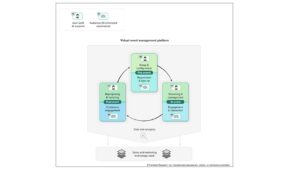
Today’s virtual event platforms help organizations reach audiences cost-effectively, capture first-party data, and turn sessions into reusable content to fuel ongoing engagement, but core functionality is now largely commoditized, with vendors offering broadly similar functionality in many areas. As a result, differentiation is shifting from features toward questions around data, integration, and marketing value.
It’s against this backdrop that I’ve published a new landscape report evaluating the virtual event technology market. The report examines market maturity and dynamics, provides guidance on selecting and working with vendors, and outlines where the market is headed next.
Key Considerations When Evaluating Virtual Event Platforms
Leading all-in-one event management platforms offer broad capabilities across multiple event formats, yet Forrester data shows that only 16% of organizations use the same platform for both their in-person and virtual events, so what should you prioritize when selecting a virtual event platform? Here are seven areas to consider:
- Flex across event formats. Look for opportunities to consolidate by choosing a platform that can replace multiple point solutions. What event types does the platform support? Can you run both short, simple virtual formats and more complex hybrid events? How quickly can you duplicate and templatize virtual events across regions?
- Integrate with your martech stack. Understand the type and depth of ecosystem integrations available. Which integrations are certified and bidirectional? Can the platform create and update campaign and custom objects within your CRM? How are identity resolution and consent handled when syncing attendee profiles?
- Treat event data as a strategic asset. Assess how the platform captures engagement data and turns it into actionable insights. What attendee behaviors are tracked out of the box? Does the platform aggregate and analyze data at the account level and across events? What predictive and benchmarking capabilities does it offer?
- Extend event value beyond the live moment. Evaluate how well the platform helps you maximize the value of your event content. Can sessions be published to an on-demand hub? How extensive are its native repurposing capabilities? Can engagement data be used to create and serve customized post-event content to distinct audience segments?
- Prioritize audience experience. Experience impacts the level of audience engagement and, by extension, the quantity and quality of data you capture. To what extent can the platform customize the attendee experience? What native interactivity and gamification capabilities does it offer? Is it WCAG-compliant?
- Select a long-term partner. In a consolidating market, vendor stability and roadmaps matter. Consider alignment across size, geography, and industry focus. Is the vendor financially robust? Can it share relevant customer references? Does its roadmap match your priorities and ambitions?
- Understand platform TCO. With budgets under pressure, scrutinize pricing models carefully. How are registrations, attendees, streams, and storage metered, and what thresholds trigger overages? What services are included versus billable?
Learn More
Forrester clients can read the new report, The Virtual Event Management Platforms Landscape, Q1 2026, to understand the value they should expect from providers, see how vendors differ in a mature and converging market, and get support with platform selection based on specific functionality and event use cases. Clients can also request a guidance session to explore any aspect of virtual event technology selection and deployment in more detail.
Related Forrester Content