Beyond The Robots: What CES 2026 Really Means For Digital Workplace Leaders
I kicked off 2026 by attending CES for the first time, and I can confirm that everything you’ve heard about this event is true. CES is massive. It’s sprawling. The scale was equal parts energizing and overwhelming — but once I got past the sensory overload, clear and meaningful signals started to emerge. Beneath the spectacle were important shifts to pay close attention to, particularly for CIOs, CTOs, and digital workplace leaders thinking about AI adoption, frontline experiences, and the connection between employee experience and business outcomes.
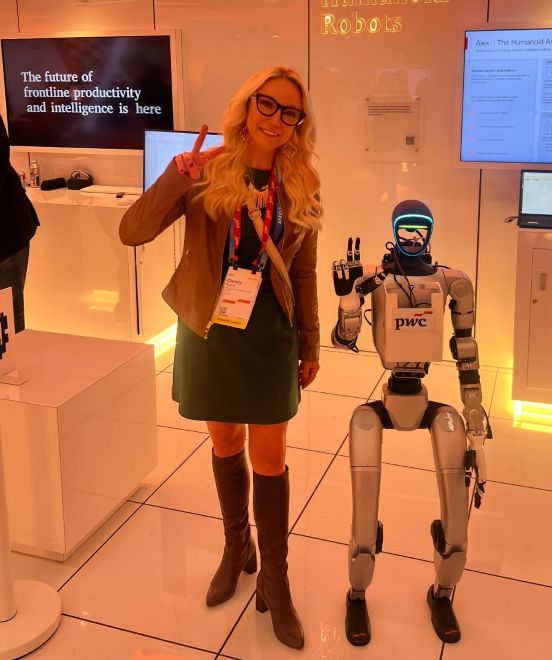
Here are the CES 2026 takeaways that matter and what they mean for your digital workplace strategy.
Frontline Experiences Are Where AI Finally Delivers Business Impact
One of the most compelling themes at CES wasn’t novelty; it was impact. AI is finally transforming frontline work in ways that directly connect digital employee experience to operational outcomes.
When AI is combined with operational technology and machine learning, the results are tangible: faster operations, reduced risk, safer environments, and higher-quality outputs. That matters, because it brings digital employee experience out of the abstract and squarely into the realm of business performance and agility.
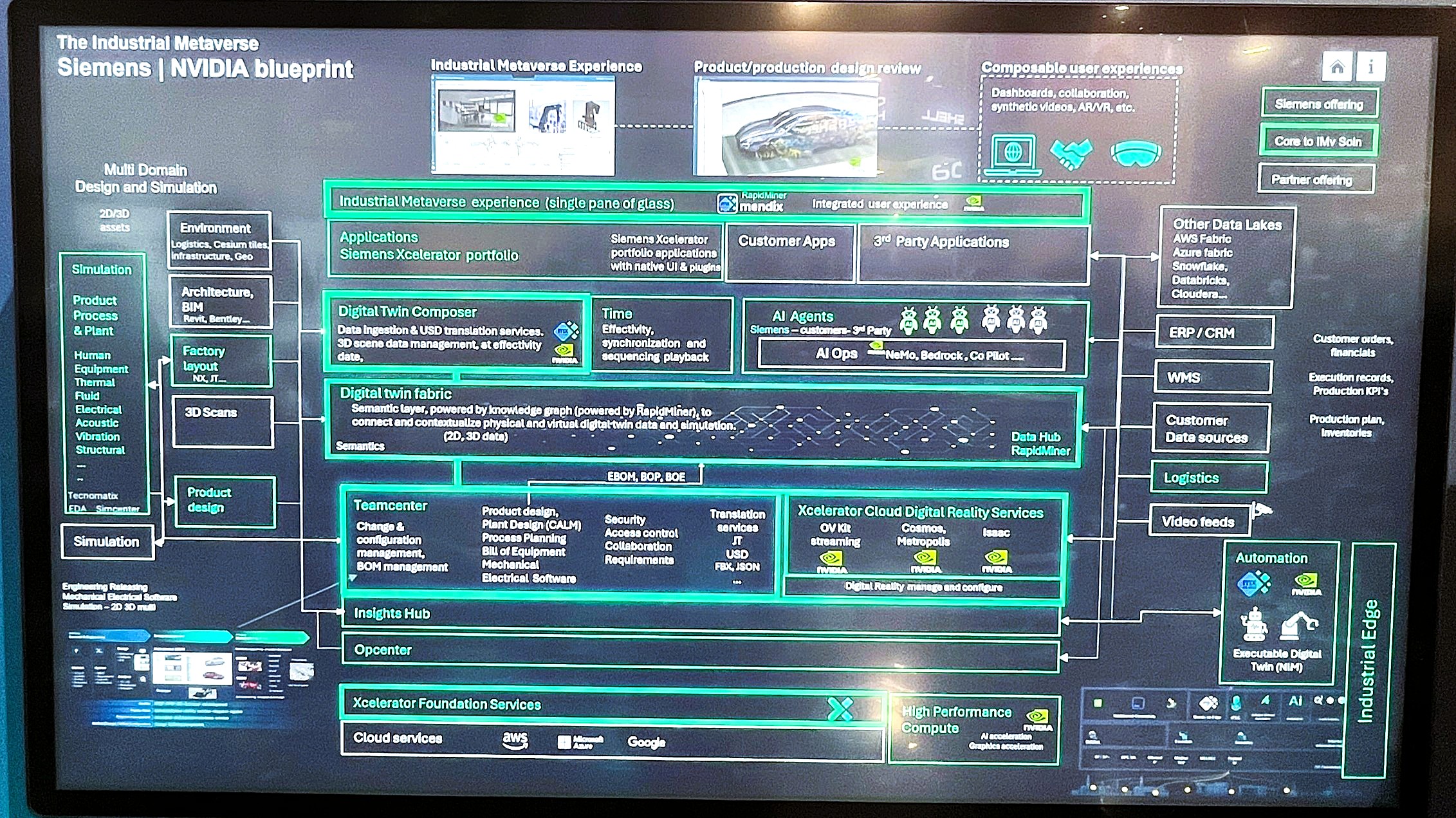
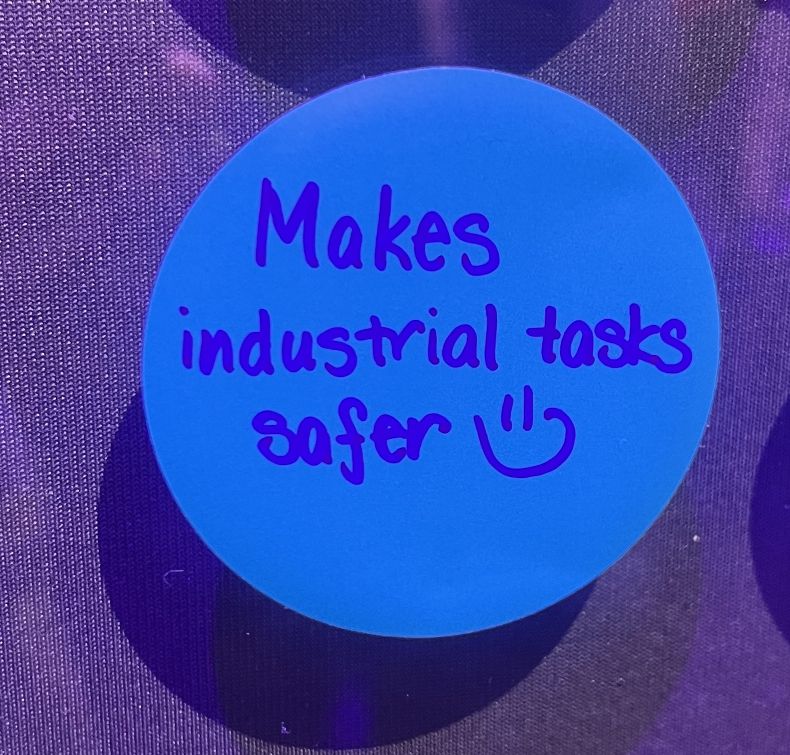
A standout example was the “industrial metaverse” work coming from Siemens in partnership with NVIDIA. By combining physical and employee digital twins — using 2D and 3D models enriched with real-time operational data — organizations can simulate entire manufacturing environments before making physical changes. AI agents test real-life scenarios, optimize workflows, and even align worker skills and physical traits to operational tasks. This is employee experience design at industrial scale — and safer operations is the big win.
Another unexpected but powerful frontline story came from Google and the Metropolitan Transportation Authority (MTA). The MTA is using Google Pixel smartphones mounted on subway cars to detect early rail defects through vibration and sound data. AI models flag potential issues while human inspectors remain “in the loop” to validate and continuously train the system. The outcomes cascade beautifully:
- Employee experience (EX): safer working conditions for inspectors
- Customer experience (CX): smoother, more reliable rides
- Business: cost savings and long-term infrastructure sustainability
That’s digital employee experience (DEX) improvements → EX outcomes → CX outcomes → business value in action.
AI Is Now The Nucleus Of Digital Experiences
Another unmistakable shift at CES: AI is no longer just a feature. It’s the experience nucleus.
Vendors increasingly showed AI at the center, surrounded by experience touchpoints such as laptops, mobile devices, wearables, and applications. This reflects a fundamental evolution in digital workplace design. We’re moving beyond traditional integrations and static workflows toward adaptive, personalized experiences unified by AI intelligence and automation.
AI is becoming the personal companion that follows employees across contexts — learning, guiding, and orchestrating in the background while surfacing just-in-time support when needed.

This was crystallized in Lenovo’s introduction of Qira, a personal ambient intelligence layer that works across Lenovo and Motorola devices. Designed with user control at the forefront, Qira enables continuity across devices and experiences — picking up where you left off and providing assistance only when invited.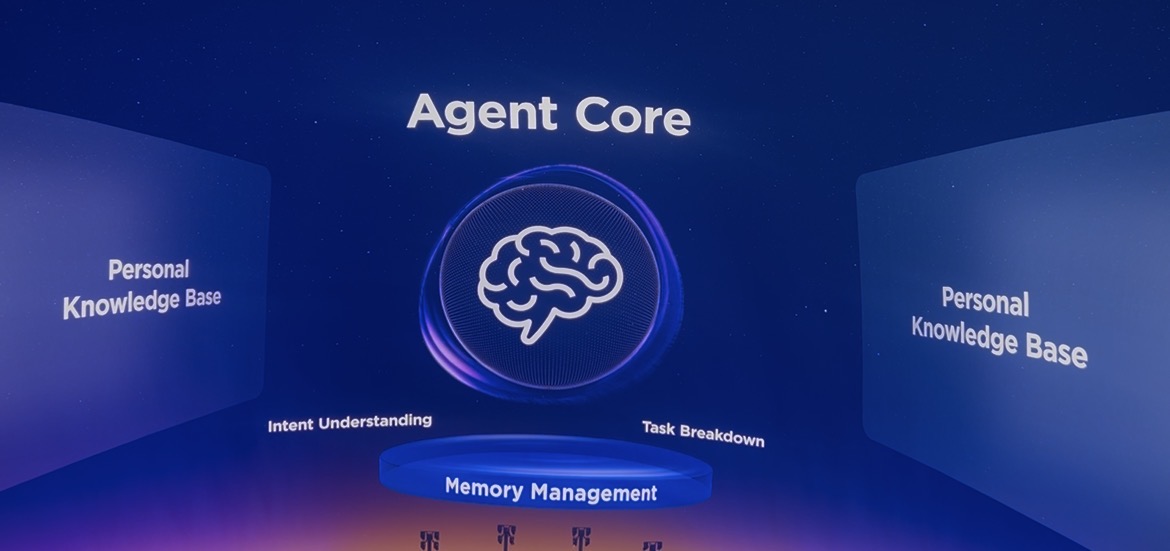
For IT leaders, this raises a critical issue: Edge AI on personal devices will fundamentally reshape bring-your-own-device (BYOD) programs. Forrester’s Digital Workplace And Employee Technology Survey, 2025 already shows BYOD adoption rising (55% for mobile, 47% for laptops). While this can improve productivity and shift compute costs, it introduces new risk frontiers, from shadow IT and data exposure to compliance gaps with emerging AI transparency laws. Traditional device management approaches won’t be enough.
Lenovo also went a step further, predicting that personal AI will evolve into a digital twin of the user. That idea hit close to home for me. Before joining Forrester, I proposed a wild idea on the concept of a work AI digital twin that could follow you across roles and organizations. CES made me wonder: What happens when personal AI twins and work AI twins collide? Will organizations one day “onboard” your digital twin alongside you? It sounds tongue-in-cheek but maybe not for long.

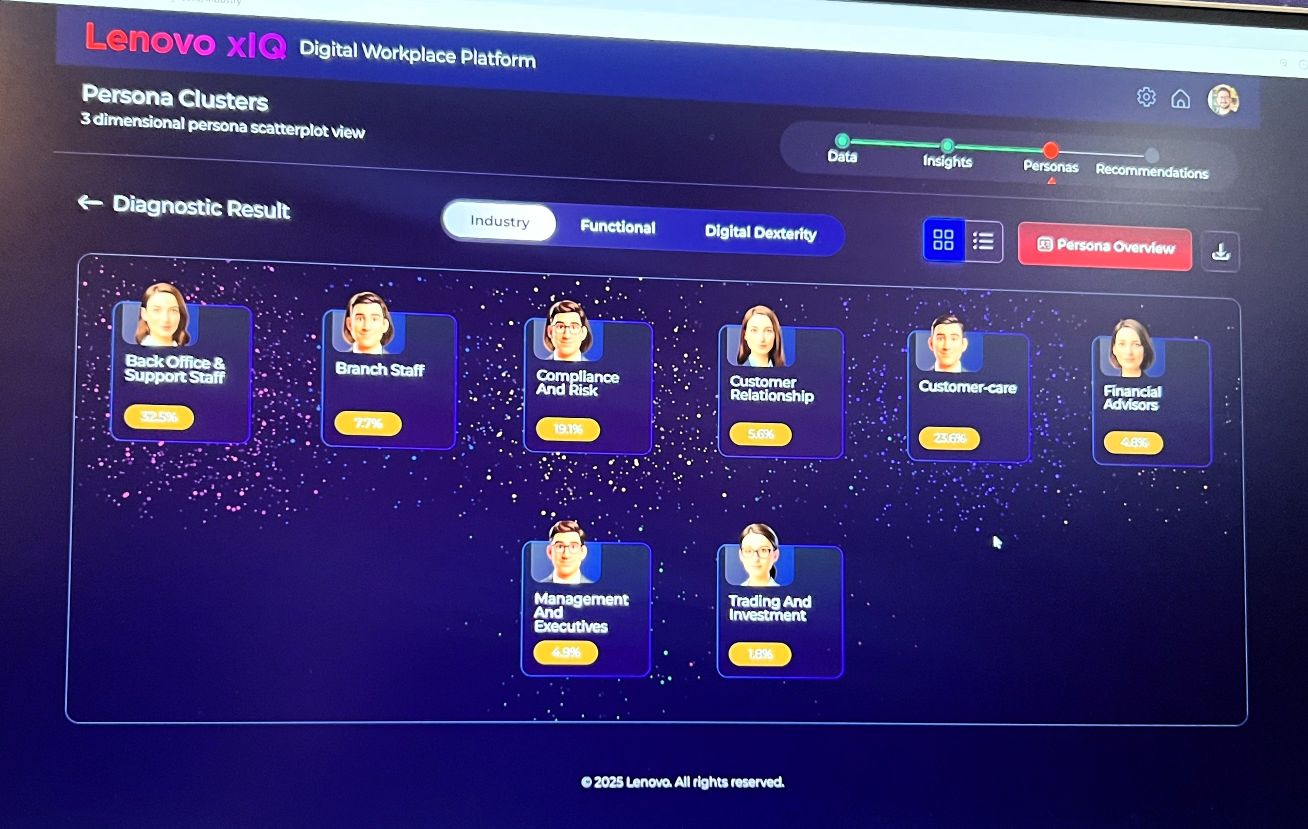
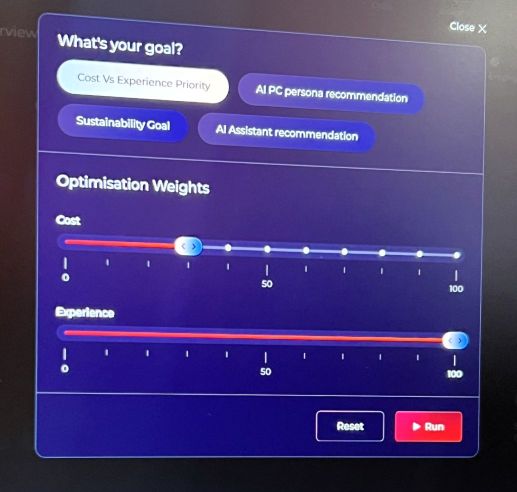
On the enterprise side, Lenovo’s xIQ Digital Workplace Platform showed how AI can deliver hyperpersonalized insights by role, function, and digital dexterity — even allowing leaders to tune recommendations based on desired outcomes such as cost reduction. Importantly, the user-friendly interface makes these insights accessible to both IT and non-IT stakeholders, signaling how AI can democratize DEX decision-making.
Wearables: Opportunity, Impacts, And Growing Risks
If there was a “sleeper theme” at CES 2026, it was wearables.
From frontline enablement to healthcare pilots, wearables are increasingly closing the gap between employee experiences and customer experiences — often with safety and well-being at the center.
A powerful demo from PwC showed how wearable smart glasses could connect a factory worker to a remote expert who sees exactly what the worker sees. In the demo, that expert even summoned a robot to deliver a replacement part. It was a simple example, but the implications were profound. That same day, I learned that two local linemen who worked at the same energy company I used to work for had tragically lost their lives while repairing power lines. It underscored how real-time visibility, remote support, and proactive intervention could potentially save lives in high-risk frontline roles.
Healthcare provided another compelling example. A pilot program involving Google Public Sector, Drive Health, and the State of Illinois equips expectant mothers with Pixel phones and Fitbit devices, paired with an AI-powered nurse assistant. The result: better access to care, personalized health insights, and stronger connections between providers and patients — again linking EX, CX, and societal outcomes.
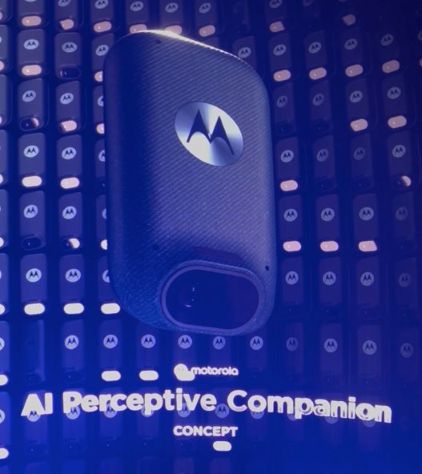
But wearables also introduce new risks. Motorola’s Project Maxwell — an AI-native pendant that “[sees] what you see [and hears] what you hear” — triggered my digital workplace risk alarms. As consumer adoption of discreet, sensor-rich wearables grows, enterprises will need to rethink privacy policies, IP protection, and manager training. These devices will become less visible, but the risk exposure they create will grow.
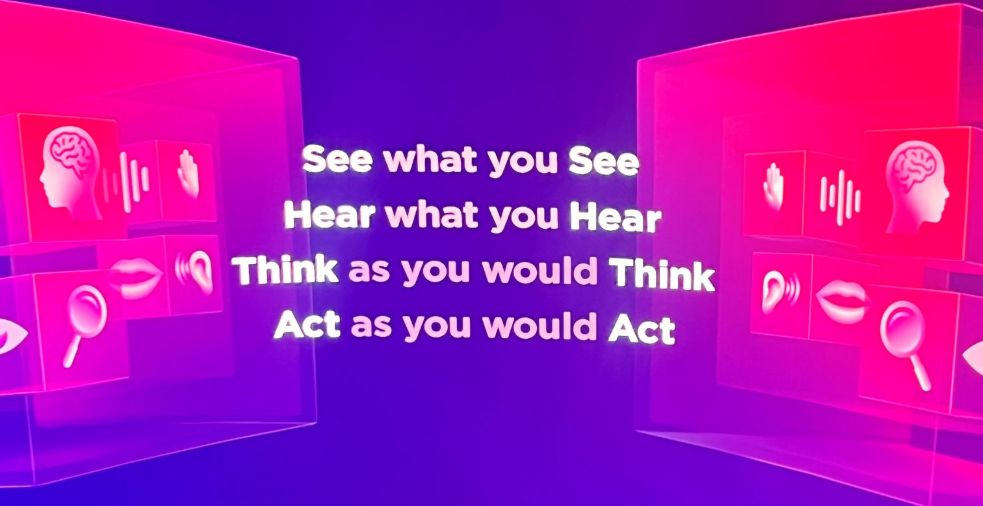
At the same time, enterprise-managed versions of these technologies could unlock real value: hands-free note-taking, AI meeting summaries in nontraditional office spaces, and AI-driven support for deskless workers. The challenge isn’t what’s possible — it’s readiness.
And that’s the reality check I heard repeatedly from vendors: Wearable adoption is still largely experimental. The barriers are familiar but formidable: inconsistent global data privacy laws, evolving AI regulations, and limited operational maturity to deploy and scale these tools across fragmented tech ecosystems.
A Grounded View Of The Future
CES 2026 was energizing, and AI still wears the crown. But one moment on the show floor grounded everything for me: watching a robot take an eternity to fold a shirt, repeatedly dropping it and fumbling to recover. Would I buy that robot for my home? Maybe. Would I deploy it in a retail store to replace human workers? Absolutely not.
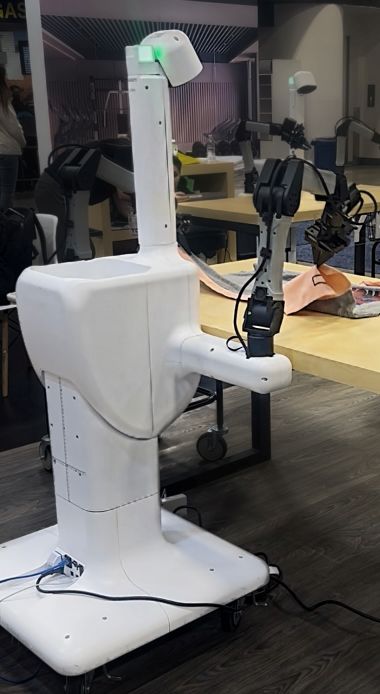
That moment captured the balance I strive to bring as an analyst: the ability to envision what’s possible, and the discipline to assess what’s practical.
Not every problem needs a high-tech solution (or a robot). The real value comes from identifying the right problems to solve and building a roadmap that connects today’s reality to tomorrow’s ambition.
That’s the work I love doing with Forrester clients — helping you navigate what’s hype, what’s real, and what’s next. If you’re ready to explore how these CES signals translate into a digital workplace strategy that delivers real outcomes, let’s collaborate. Reach out to me on LinkedIn, or if you’re a Forrester client, you can set up an inquiry or guidance session.
Categories